
Chequing


Open a Chequing Account and Savings or Investment Funds Account with promo code EARNMORE.
Interest paid to Canadians
Tangerine Clients
Daily banking fees
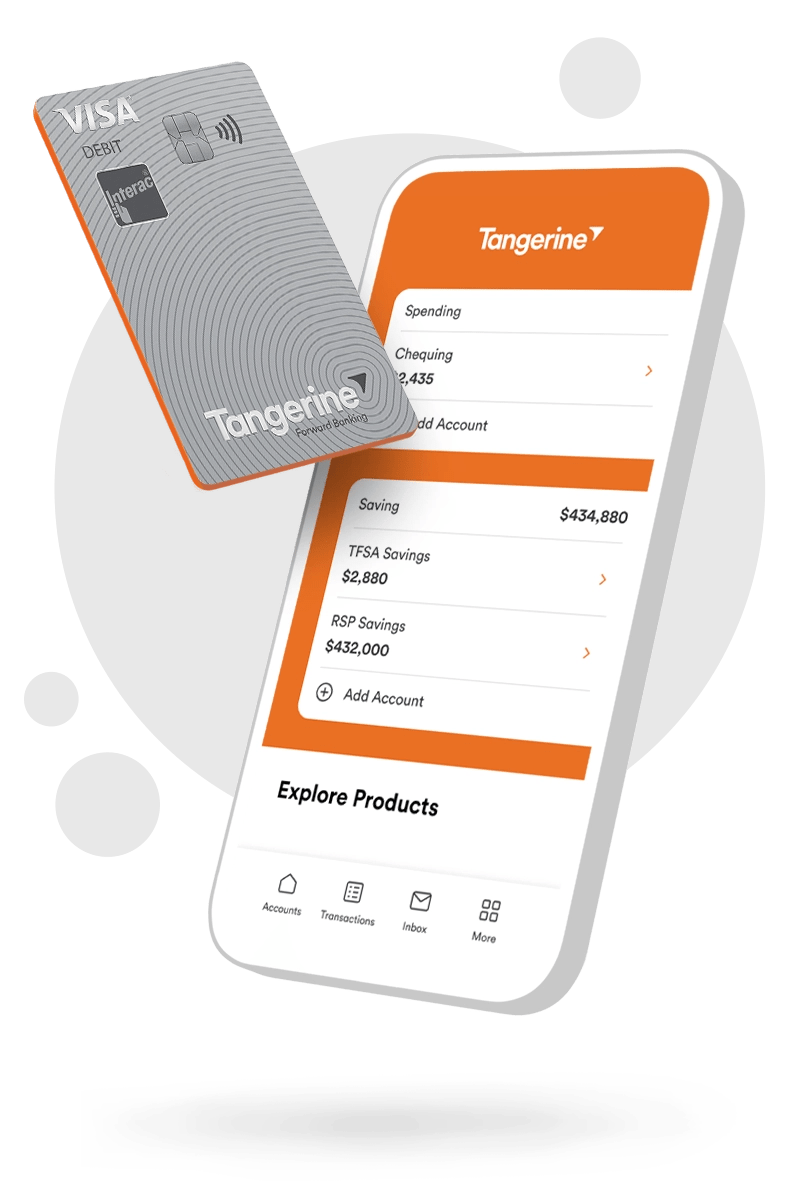
We offer a wide range of banking services to help Canadians live better lives and reach their financial goals.
Grow your money and save for your goals.

No-fee daily chequing.

Do your future a favour.

Money-Back Rewards on everyday purchases.

Great guaranteed interest rate.

Take advantage of our current bank offers.

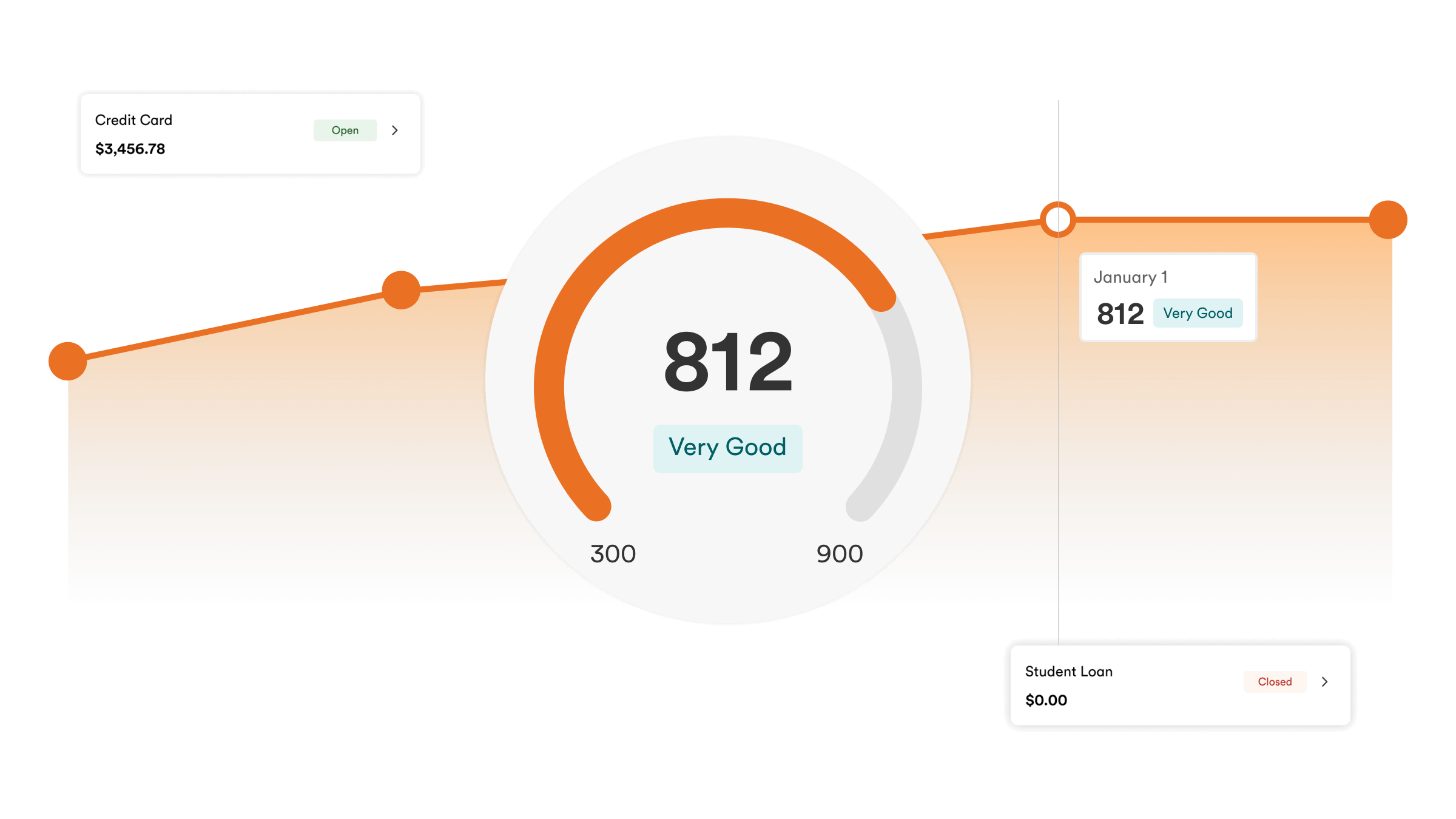
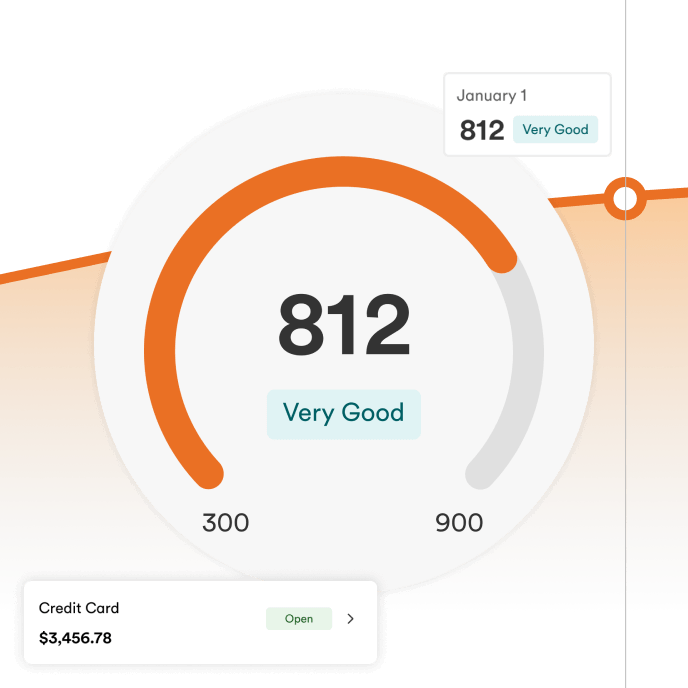
Checking your credit score while managing your money is easy. Get a view into your credit history, active accounts and more, all while logged in with us.
No matter what device, we’ve got you covered. Add your Tangerine Client Card and Credit Card to your mobile wallet and use it where contactless payments are accepted.


Keeping your banking info safe isn’t the only thing required to keep your Accounts protected. Discover expert tips and 24/7 security features for peace of mind all year long.


Thanks to you, we’re #1 in Client Satisfaction among midsize personal banks 12 years in a row.⁹


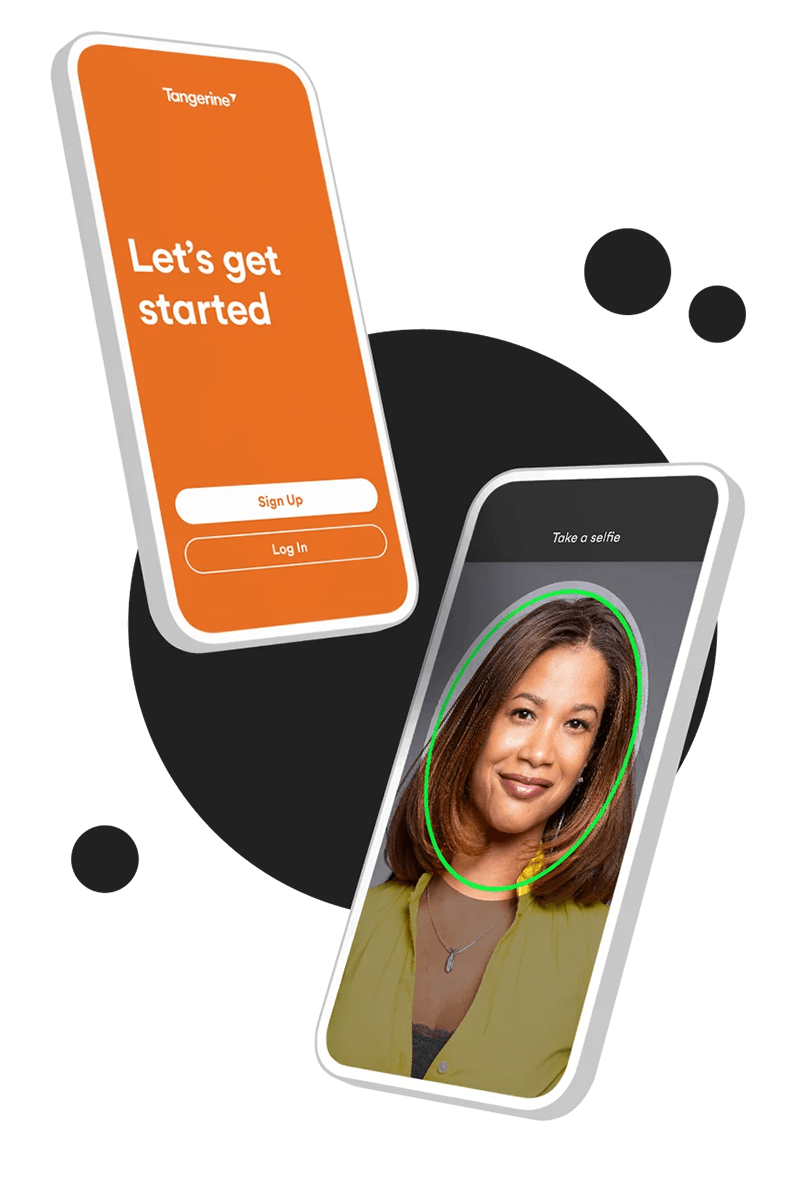
Become a Client completely digitally with our Mobile Banking app. Sign up without leaving your home or having to call us—it’s a fast, convenient and secure mobile experience‡.
Don’t have our Mobile Banking app yet? Download it today, so you can bank easily from anywhere.

34,100 Reviews‡


63,100 Reviews‡


⁹For J.D. Power 2023 award information, visit jdpower.com/awards
Tangerine has won more awards than any other brand among midsize banks in the J.D. Power Canada Retail Banking Satisfaction Studies from 2006-2023. Visit jdpower.com/awards for more information.


